Domains
Domain privacy
Registering a domain creates a public contact record. Privacy protection replaces your personal details with a forwarding contact, while you keep full ownership.
Overview
What domain privacy does
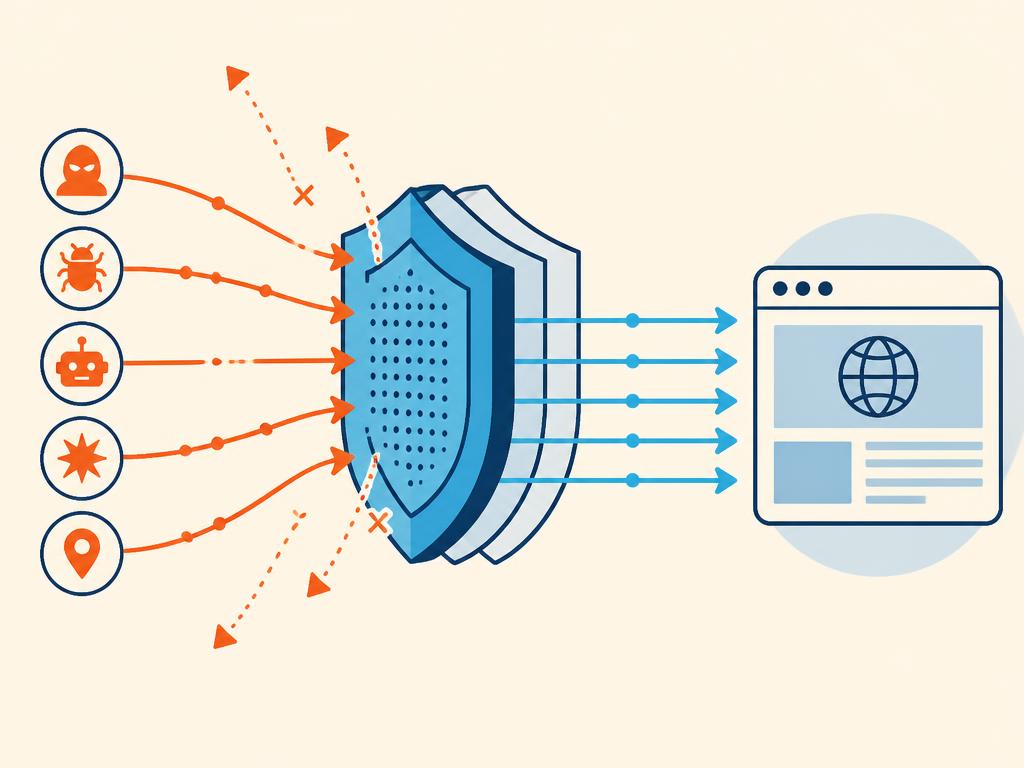
Public lookups show the privacy contact instead of yours.
Every domain registration is recorded with the registry, and for most extensions parts of that record are publicly searchable. Without privacy, your name, postal address, telephone number and email can be read by anyone — including automated scrapers.
With privacy enabled, those fields are replaced by a privacy contact. Legitimate correspondence is forwarded to you, and the registry still holds your real details for verification purposes.
Comparison
With privacy and without
| Detail | Without privacy | With privacy |
|---|---|---|
| Registrant name in public lookups | Published | Replaced with privacy contact |
| Postal address in public lookups | Published | Replaced with privacy contact |
| Contact email in public lookups | Published | Forwarding address |
| Unsolicited contact from scrapers | Common | Substantially reduced |
| Renewal and registry notices | Delivered to you | Delivered to you |
| Ownership and control of the domain | Yours | Yours |
Benefits
Why registrants enable it
Personal details withheld
Home addresses stay out of public lookup results.
Less unsolicited contact
Scraped contact data drives much of the spam that follows registration.
Ownership unchanged
You remain the registrant with full control of the domain.
Notices still reach you
Renewal and verification messages are forwarded.
Eligibility
Where privacy cannot be applied
Some registries publish registrant data regardless of registrar, so privacy cannot be offered for these extensions.
- .uk
- .ng
- .ca
- .de
- .eu
- .au
Availability for every extension is shown in the domain pricing table.
FAQ
Privacy questions
Keep your contact details private
Enable privacy on an existing domain in the client area, or add it while registering a new one.